Cancún
🇲🇽 Mexico
The Vibe: Neon Nights and Coconut Water
Cancún is a city of two distinct souls. Most travelers only ever see the Hotel Zone, a thin strip of land where high-rise resorts and thumping nightclubs like Coco Bongo dominate the skyline. It is loud, unapologetically touristy, and expensive, but it offers some of the most startlingly turquoise water in the Caribbean. If you want to wake up, hit the beach, and work with a view of the sea, this is your spot, though you will pay a premium for the privilege.
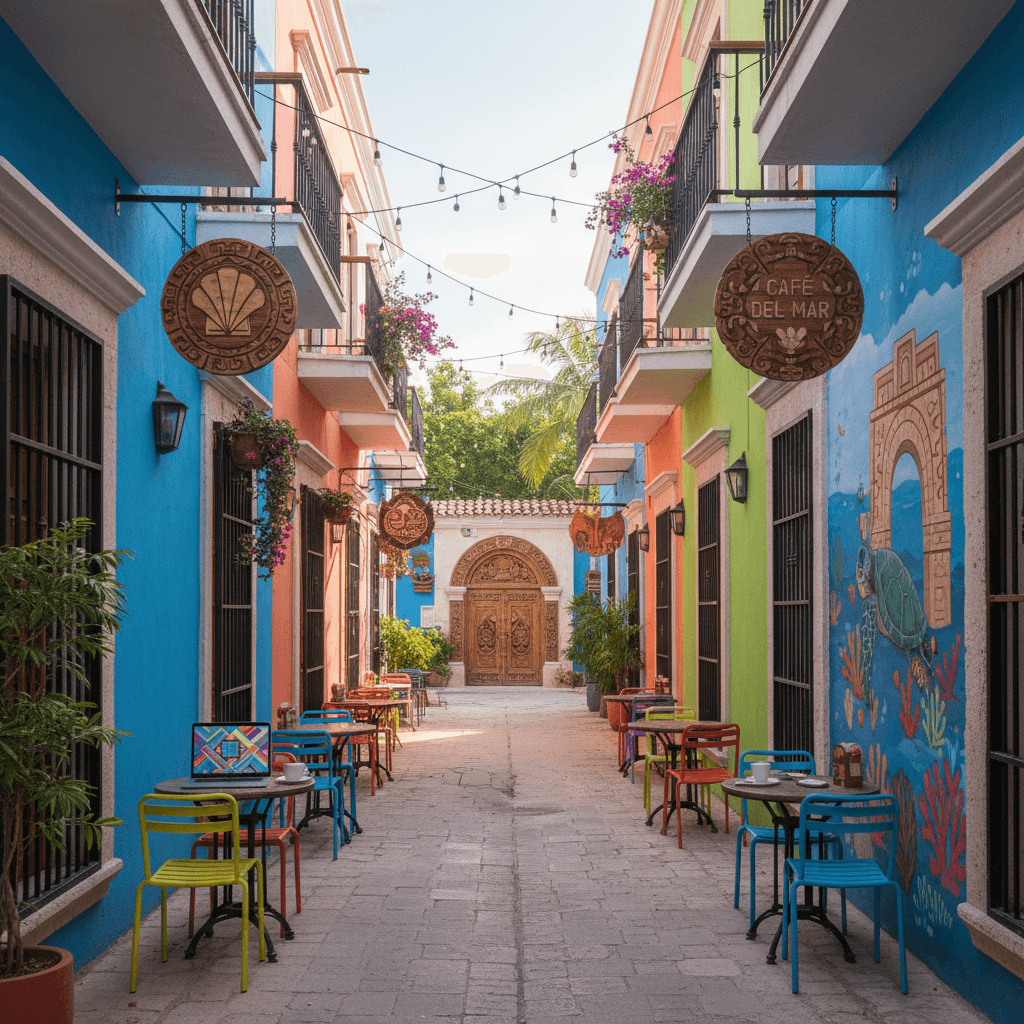
The real nomad magic happens in El Centro (Downtown). This is where the "resort" facade drops away, replaced by leafy parks, street taco stands, and a fast-paced urban energy. It feels like a proper Mexican city, just with better internet and a beach ten minutes away. You will find a community here that values productivity during the day and social mezcal rounds at night. It is less about "vacation mode" and more about building a sustainable life in the tropics.
The Cost of Tropical Living
Living here is significantly more affordable than in the US or Europe, typically running between $1,200 and $1,800 a month for a solo nomad. Your biggest variable is housing. If you want a sleek studio in the Hotel Zone, expect to shell out $800 to $1,500. Meanwhile, savvy expats find comfortable 1BR apartments in El Centro for $400 to $700.
- Budget Tier ($1,200/month): Staying in downtown shared housing, eating $2 street tacos, and using the $0.50 R1 bus to get to the beach.
- Mid-range Tier ($1,800/month): A private downtown apartment, regular coworking station, and a mix of local eats and mid-range dining at La Isla.
- Comfortable Tier ($2,500+/month): Living beachside in the Hotel Zone, frequenting upscale seafood spots, and relying on Uber or Didi for transport.
Where to Plant Your Laptop
Choosing a neighborhood determines your entire experience. Downtown is the undisputed champion for long-term stays. It is walkable, filled with local markets, and has the best concentration of cafes with reliable WiFi. Puerto Juárez is a solid alternative if you want a quieter, more residential feel near the Isla Mujeres ferry, though it lacks the nightlife of the center.
Internet speeds average 70 to 80 Mbps. While there are dedicated coworking spaces for $20 to $100 a month, many nomads prefer the cafe culture. Ah Cacao Chocolate Café in La Isla is a staple for late-night sessions, known for its Chocolate Maya Frio and reliable connection. For mobile data, grab a Telcel SIM at any Oxxo store; $10 to $20 usually covers your data needs for the month.
The Logistics of Life
Getting around is straightforward. The R1 and R2 buses are the lifeline of the city, running constantly between the downtown core and the beaches for less than a dollar. For longer trips to Tulum or Chichén Itzá, the ADO bus system is world-class, comfortable, and punctual. If you are arriving at the airport, pre-book your transfer to avoid the $40 "tourist tax" often charged by on-site taxis.
Safety is a common question, but most nomads find the tourist and central areas perfectly fine if they use standard urban common sense. Stick to well-lit areas at night and keep your electronics tucked away when walking. Healthcare is high-quality, with Hospiten Cancún serving as a reliable facility for any emergencies. Just remember the golden rule of Mexico: never drink the tap water and always keep 10 to 15 percent ready for a propina (tip) at restaurants.
Timing Your Stay
The weather dictates the social calendar. The sweet spot is December through April, when the air is dry and the temperature sits comfortably around 28°C (82°F). This is also peak season, so book your housing months in advance. The rainy season peaks in September and October. While prices drop, the humidity spikes and hurricane risks become a reality, often leading to 15 or more rain days per month.
The Bottom Line on Budgets
Cancún sits in a unique spot for nomads. It's significantly cheaper than major US hubs like Miami or San Diego, often saving you 30% to 50% on monthly overhead. However, it is one of the pricier stops in Mexico, especially if you get sucked into the tourist traps of the Hotel Zone. Most solo nomads find their sweet spot between $1,200 and $1,800 per month, though you can easily double that if you want a balcony overlooking the Caribbean.
The city operates on a tiered system. If you live like a local in El Centro, your pesos go twice as far. If you insist on staying within walking distance of Coco Bongo, prepare for "gringo pricing" on everything from tacos to taxis.
- Budget Lifestyle ($1,200/month): This covers a shared apartment or a modest studio downtown, heavy reliance on the $0.50 R1/R2 buses, and a diet of street food and local markets.
- Mid-Range Lifestyle ($1,800/month): The most common path. You'll get a private 1BR in a decent downtown neighborhood, eat out at mid-range spots like La Isla, and use Uber or Didi for late-night trips.
- High-End Lifestyle ($2,500+/month): This gets you into a modern Hotel Zone apartment with resort-style amenities, frequent upscale dining, and daily rideshares.
Housing and Neighborhoods
Rent is your biggest variable. Downtown (El Centro) is the favorite for long term stays because it feels like a real city rather than a theme park. You'll find plenty of nomads around Avenida Huayacán or near the ADO bus station. Puerto Juárez is another solid alternative if you want a coastal vibe without the Hotel Zone price tag.
- Downtown Studios: Expect to pay $800 to $1400. These are usually walkable to supermarkets and local cafes.
- Hotel Zone Apartments: Prices jump to $800 to $1,500. You're paying for the view and the beach access, but you'll deal with more noise and crowds.
- Peak Season Surcharge: Prices spike from December to February. If you're planning a winter escape, book through Airbnb or Inmuebles24 at least three months in advance to avoid the leftovers.
Food, Drink, and Social Life
Eating in Cancún can be as cheap or as expensive as you make it. Street tacos and ceviche from local stalls will cost you $2 to $5 per meal. Stepping up to a mid-range sit down restaurant usually lands between $10 and $15. If you head to the Hotel Zone for a fancy dinner, expect to pay $25 to $50 per person.
Socializing often revolves around the beach or the cafe scene. Ah Cacao Chocolate Café is a legendary nomad hangout for late night work sessions, though the drinks are a bit pricier. For groceries, sticking to local markets instead of high end supermarkets will keep your kitchen budget under $300 a month.
Connectivity and Transport
Internet is surprisingly reliable in the urban core, with speeds averaging 46 to 67 Mbps. Coworking spaces are popping up across the city, typically costing between $20 and $100 a month depending on how often you need a desk. For mobile data, grab a Telcel SIM card at any Oxxo store for about $12 to $20 for 3-5GB for day trips to places like Tulum or Chichén Itzá.
Getting around is simple if you avoid official airport taxis, which can charge $40 for a short ride. Use the R1 or R2 buses for $1 to move between downtown and the beach. For everything else, Uber and Didi are your best friends, with most city trips costing between $3 and $10. If you're staying for a few months, look into the MiBici app for bike rentals at roughly $5 a day.
Practical Expenses
- Healthcare: High quality care is available at places like Hospiten Cancún. A standard consultation is affordable, and pharmacies like Farmacias del Ahorro are on almost every corner.
- Tipping: A 10% to 15% tip (propina) is standard in restaurants.
- Water: Never drink the tap water. Budget about $15 to $20 a month for large 20 liter "garrafones" delivered to your door.
For Digital Nomads: El Centro (Downtown)
If you are coming to Cancún to actually get work done, El Centro is where you belong. This is the heart of the city, far removed from the neon lights of the tourist strip. Most nomads gravitate here because the internet is reliable, the rent is realistic, and you are within walking distance of local markets and authentic taquerias.
- Rent: Expect to pay between $400 and $700 for a decent one bedroom apartment or studio.
- Atmosphere: Urban, local, and productive. You will find plenty of cafes like Ah Cacao Chocolate Café where the WiFi is fast and the Chocolate Maya Frio keeps you caffeinated through late night deadlines.
- Transportation: Very walkable. You can hop on the R1 or R2 bus for about $1 to reach the beach when you need a break.
For Solo Travelers and Beach Lovers: Zona Hotelera
The Hotel Zone is a narrow strip of land between the Nichupté Lagoon and the Caribbean Sea. It is the place to stay if your priority is waking up to turquoise water and hitting the clubs at night. While it feels a bit like a playground for tourists, solo travelers find it the easiest place to meet people at spots like Coco Bongo or beach volleyball games.
- Rent: Prices jump significantly here, ranging from $800 to $1,500 per month.
- Pros: World class beaches are right outside your door and English is spoken almost everywhere.
- Cons: It is loud, expensive, and lacks the authentic Mexican soul you find in the city center. Many travelers find it feels a bit overrun during the peak season from December to February.
For Families and Long-Term Expats: Puerto Juárez
Located just north of the main city, Puerto Juárez offers a slower pace of life that suits families and expats looking for a coastal vibe without the Hotel Zone price tag. It is a maritime community known for its seafood and the ferry terminal that zips you over to Isla Mujeres for a day trip.
- Cost of Living: Generally cheaper than the Hotel Zone but slightly pricier than the deep interior of downtown.
- Lifestyle: Quieter nights and a more residential feel. It is a great middle ground if you want to be near the water but need to avoid the 24/7 party atmosphere.
- Healthcare: You are a short drive from high quality facilities like Hospiten Cancún, which is a major plus for those staying long term with children.
Navigating Your Choice
Choosing where to plant your flag depends on your budget and how much "Mexico" you actually want to experience. Budget conscious travelers can live comfortably on $1,200 a month by sticking to shared housing in El Centro and eating $2 street tacos. If you want the high end lifestyle with daily rideshares and upscale dining, plan to budget at least $2,500.
Most long term residents recommend starting with a short stay in the Hotel Zone to get the "vacation" out of your system, then moving downtown to find a stable routine. Use apps like Inmuebles24 or local Facebook groups to find rentals, as these often have better rates than Airbnb. Just remember to book well in advance if you are arriving during the sunny window between December and April.
Connectivity on the Ground
Cancún has shed its reputation for spotty hotel WiFi. In the city center and the main tourist zones, you can expect reliable fiber optic speeds averaging between 46 and 67 Mbps. While the Hotel Zone offers plenty of bandwidth for video calls, the sheer volume of tourists can occasionally throttle speeds during peak evening hours. Most nomads find that the urban infrastructure in Downtown (El Centro) is more consistent for heavy workloads.
For a mobile backup, grab a local SIM card immediately. Telcel has the best coverage across the Riviera Maya, followed by Movistar. You can pick these up at any Oxxo convenience store for about $10 to $20, which usually nets you 20GB to 50GB of data. If you are visiting from the US or Canada, your home plan might offer free roaming, but a local SIM is almost always faster for tethering in a pinch.
Top Coworking Spaces
The coworking scene here is growing, though it is more functional than flashy. You will find most dedicated spaces clustered in the downtown area where the rent is cheaper and the community is more focused on work than margaritas. Monthly memberships typically range from $130 to $250, making it a professional alternative to working from a cramped Airbnb desk.
- Downtown Hubs: These spaces are favored by long-term expats for their ergonomic setups and networking events. They provide a much-needed break from the humidity with reliable air conditioning.
- Hotel Zone Options: While rarer, some high-end resorts offer day passes for their "business centers," though these lack the community vibe of the downtown spots.
Laptop-Friendly Cafes
If you prefer the background hum of a coffee shop, Ah Cacao Chocolate Café at La Isla Shopping Village is the gold standard for nomads. It stays open from 8am to 10pm, which is perfect for those syncing with different time zones. The WiFi is snappy, and the Chocolate Maya Frio provides a solid caffeine kick, though be prepared for slightly higher prices given its prime location.
In the downtown area, you will find several smaller, local cafes where a $3 to $5 coffee buys you a seat for a few hours. Travelers often recommend scouting out spots near Parque de las Palapas, where the atmosphere is more authentic and the prices are geared toward locals rather than tourists.
Practical Considerations
Power outages are rare but can happen during the peak of the rainy season in September and October. If you have a high-stakes meeting, it is wise to have your Telcel hotspot ready to go. Most nomads recommend choosing an apartment in El Centro if productivity is your priority, as the Hotel Zone can be too distracting and noisy for a standard 9-to-5 grind.
- Average Speed: 46-67 Mbps
- Monthly Coworking Cost: $130-$250
- Local SIM Cost: $10-$20 for 20GB+
- Best Work Cafe: Ah Cacao Chocolate Café
Staying Safe in the Sun and Sand
Cancún generally gets a bad rap in the headlines, but the reality for most nomads is much more relaxed. Safety here is moderate, and if you stick to the Hotel Zone or the main hubs in El Centro, you likely won't run into anything more serious than a pushy souvenir vendor. Most travelers find that common sense goes a long way; don't flash expensive tech on quiet side streets and keep your phone tucked away when you aren't actively using it.
The Hotel Zone is heavily patrolled by tourist police, making it one of the safest spots to walk around at any hour. Downtown is also safe during the day, though expats recommend avoiding the non-touristy outskirts and poorly lit residential blocks after dark. Petty crime like pickpocketing can happen in crowded markets or on the R1/R2 buses, so keep your bag in front of you. If you ever run into an emergency, dial 911 just like in the US.
Health and Medical Care
If you get sick, you're actually in good hands. Cancún is a hub for medical tourism, meaning the private hospitals are top-tier and often staffed by English-speaking doctors. Hospiten Cancún is the go-to for high-quality care, and they're used to dealing with international insurance providers. For minor issues like a cold or a "Turista" stomach bug, look for a Farmacia del Ahorro. These are everywhere, and many have a small clinic next door where a doctor can see you for a few dollars and write a prescription on the spot.
- Tap Water: Never drink it. Not even for brushing your teeth if you have a sensitive stomach. Stick to bottled water or the large 20-liter "garrafones" that most Airbnbs provide.
- Sun Safety: The Caribbean sun is brutal. Wear biodegradable sunscreen if you're hitting the cenotes, as regular chemicals can damage the ecosystems.
- Pharmacies: You can find most over-the-counter meds at Farmacias del Ahorro or Similares [10], which are usually cheaper than the ones inside the Hotel Zone.
Insurance and Logistics
Most nomads here use SafetyWing or World Nomads, but always check if your policy covers private hospitals like Galenia or Amerimed. While basic consultations are cheap, a night in a private room can eat through your budget quickly without coverage. If you need a specialized test or lab work, Salud Digna is a local favorite for affordable, high-quality blood work and imaging.
Safety Tips for Solo Nomads
If you're out enjoying the nightlife at Coco Bongo or the bars at La Isla, keep a close eye on your drink. While the party scene is a blast, it's easy to lose track of your surroundings in the Hotel Zone crowds. When heading home late at night, skip the street hail and use an app like Uber or Didi. These rides are tracked, usually costing between $3 and $10, and provide a much safer paper trail than an unbooked taxi. Most long-termers also suggest joining local Facebook groups to stay updated on any localized safety concerns or road closures.
The Daily Commute
Getting around Cancún is a tale of two cities. If you're staying in the Hotel Zone, you'll find it remarkably walkable and bike-friendly, with plenty of wide sidewalks and views of the turquoise water. For the digital nomad crowd based in El Centro, things get a bit more urban and chaotic, but the infrastructure is surprisingly reliable once you know the system.
Most expats lean on the local bus system for the heavy lifting. The R1 and R2 lines are the lifeblood of the city, running 24/7 and connecting the downtown hub to the beach strip for about $0.60 to $1 per ride [3]. It's fast, cheap, and a bit of a localized adventure, though they can get packed during the afternoon heat. Just look for the destination painted on the windshield and keep some small change handy.
Ridesharing and Taxis
Uber and Didi are active in Cancún, but there's some local friction to keep in mind. While these apps are usually the most convenient way to get home after a late night at a cafe like Ah Cacao, drivers often avoid picking up passengers directly in front of major taxi stands to avoid conflict. A typical trip across town will set you back $3 to $10.
Taxis are everywhere, but they don't use meters. You'll need to negotiate the price before you even open the door. Expect to pay a "tourist premium" in the Hotel Zone, where prices jump significantly compared to the local rates you'll find near Parque de las Palapas downtown. If you're heading to the airport, avoid the street taxis and pre-book a private transfer. It'll cost between $20 and $40, but it saves you from the aggressive solicitation and inflated prices at the arrivals gate.
Regional Travel and Micro-Mobility
For those weekend escapes to Tulum or Playa del Carmen, the ADO bus station downtown is your best friend. These are high-end, air-conditioned coaches that are punctual and affordable. It's the standard way nomads move through the Riviera Maya without the headache of renting a car and dealing with traffic checkpoints.
- ADO Buses: Best for long-distance trips to ruins or neighboring coastal towns.
- Ferries: Boats to Isla Mujeres leave regularly from Puerto Juárez, a quick ten-minute drive from the city center.
Navigation Tips for Nomads
While the Hotel Zone is a straight line, Downtown Cancún is a grid of "Supermazanas" (SM) or blocks. It can be confusing at first, so keep Google Translate and Google Maps downloaded for offline use. Most nomads find that a mix of walking within their specific neighborhood and using the R1 bus for beach days is the most cost-effective way to live.
If you're planning a stay longer than a month, consider renting a scooter. It's a popular move for expats in quieter areas like Puerto Juárez, though you'll need to be comfortable with aggressive local driving styles. For everyone else, the combination of cheap buses and the occasional Uber is usually more than enough to keep life simple.
The Language Divide: Hotel Zone vs. El Centro
In Cancún, your experience with the local tongue depends entirely on your zip code. If you are staying in the Hotel Zone (Zona Hotelera), you will find that English is the unofficial first language. From the hosts at Coco Bongo to the baristas at the La Isla shopping village, almost everyone speaks enough English to handle complex requests. You can easily get by here without knowing a word of Spanish, though you will likely pay a "tourist tax" in the form of higher prices for that convenience.
Once you cross the bridge into Downtown (El Centro), the script flips. This is where most long-term nomads and expats hang out to save on rent and find a more authentic vibe. While younger locals and hospitality workers in downtown often speak some English, you will need a baseline of Spanish for daily life. Ordering street tacos near Parque de las Palapas or negotiating a monthly rate for an apartment on Facebook Marketplace is much smoother if you can speak the language.
Practical Communication for Nomads
Most nomads find that a "Spanglish" approach works best. Even if your grammar is shaky, starting a conversation with "Hola, buenos días" goes a long way in building rapport. Locals appreciate the effort, and it often leads to better service or a more honest price at the local markets.
- Google Translate: Download the Spanish offline dictionary immediately. It is a lifesaver for reading menus at local "cocinas económicas" or explaining a specific medical need at Farmacias del Ahorro.
- Propina Culture: Communication isn't just verbal. Tipping, or "la propina," is a standard social cue. Aim for 10% to 15% at restaurants. If you are just grabbing a quick coffee at Ah Cacao, leaving a few pesos in the jar is the local way to say thanks.
- Digital Etiquette: When messaging potential landlords or networking in local Facebook groups, try to use Spanish first. Even a translated message shows you aren't just another short-term tourist passing through.
Connectivity and Staying Online
Staying connected is rarely an issue in the urban parts of the city. You will find reliable 70 to 80 Mbps speeds in most downtown apartments and coworking spaces. For mobile data, travelers recommend grabbing a local SIM card rather than relying on expensive roaming packages.
Head to any Oxxo convenience store to pick up a Telcel or Movistar SIM card. You can usually get a solid data package with 3GB to 5GB for about $10 to $15. Activation is instant, and you can top up your balance at any corner store. If you are working late, Ah Cacao Chocolate Café is a favorite for its fast WiFi and late hours, staying open until 10:00 PM.
Key Phrases to Know
You don't need to be fluent, but having these phrases in your back pocket will make your life significantly easier when you are away from the resort areas:
- ¿Cuánto cuesta? (How much does it cost?): Use this constantly at markets and with taxi drivers before you get in the car.
- ¿Cuál es la contraseña del WiFi? (What is the WiFi password?): The most important sentence for any nomad in a cafe.
- La cuenta, por favor (The check, please): Servers in Mexico generally won't bring the bill until you ask for it, as they consider it rude to rush you.
- ¿Habla inglés? (Do you speak English?): A polite way to pivot if the conversation gets too complex.
While the language barrier is low in the tourist hubs, learning the basics will open up the "real" Cancún. Expats who stay for more than a month usually find that a little bit of Spanish transforms them from a guest into a neighbor.
The Sweet Spot: December to April
If you want the quintessential Caribbean experience, aim for the window between December and April. This is when the humidity drops and the skies stay a reliable shade of azure. Temperatures hover comfortably between 25°C and 30°C (77°F to 86°F), making it the perfect climate for working from a patio without breaking a sweat. Most nomads find this the best time to be productive, as the lack of rain means fewer power flickers and better motivation to hit the beach after a deep work session.
The trade-off for this "perfect" weather is the price tag. This is peak tourist season, and costs for rentals in the Hotel Zone or popular downtown spots can jump by 20% to 50%. You'll also be sharing the city with the spring break crowd and vacationing families, so expect longer lines at the grocery store and more noise if you're staying near the main strips.
Handling the Heat and Rain
From June through November, the vibe shifts. It gets significantly hotter and stickier, with July often seeing highs of 32°C (90°F) and plenty of humidity. This is also the rainy season. While you'll still get plenty of sun, you should prepare for sudden, heavy downpours that can turn streets into small rivers for an hour before the sun pops back out.
September and October are the peak of the hurricane season and the wettest months of the year. Travelers often see 15 or more rain days per month during this stretch, with rainfall totals sometimes exceeding 250mm. If you're sensitive to humidity or need to be outside for your content or lifestyle, these months might feel a bit stifling. However, if you're on a budget, this is when you'll find the best deals on long-term Airbnb stays and local rentals.
Monthly Weather Breakdown
- January: The gold standard. Highs of 28°C (82°F) and only about 5 days of rain. It's the most expensive time to visit, but the most comfortable.
- July: Hot and humid. Highs of 32°C (90°F) with about 12 rain days. Great for diving since the water is warm, but you'll want a place with strong air conditioning.
- October: The height of the rainy season. Highs of 30°C (86°F) and the highest risk of tropical storms. Expect around 15 days of rain.
Strategic Timing for Nomads
Expats recommend the "shoulder" months of May and November. In May, the winter crowds have thinned out, but the heavy summer rains hasn't fully arrived. In November, the hurricane risk drops significantly, the air starts to cool down, and you can snag a good apartment before the December price hikes kick in.
Keep an eye on the "Sargassum" (seaweed) forecasts if beach time is your priority. While it varies year to year, the seaweed often piles up on the beaches during the warmer months from April to August. If you're visiting during this time, you might find yourself taking the ferry from Puerto Juárez to Isla Mujeres, where the beaches often stay clearer than the main Hotel Zone stretch.
Making it Work in Cancún
Living in Cancún as a nomad is a tale of two cities. Most people think of the Hotel Zone, but the real community lives in El Centro. If you want to get work done without paying tourist premiums, head downtown. You'll find a faster pace here than in Tulum or Playa del Carmen, but the infrastructure is significantly better, making it a reliable base for the Riviera Maya.
The Monthly Budget
Your bank account will feel the difference depending on how close you are to the water. A solo nomad can live comfortably on $1,800 a month by staying downtown. If you insist on a sea view in the Hotel Zone, expect that number to jump to $2,500 or more quickly.
- Rent: A 1-bedroom downtown goes for $400 to $700. In the Hotel Zone, you're looking at $800 to $1,500.
- Food: Street tacos are a steal at $2 to $5. A mid-range dinner at La Isla will run you about $15, while upscale seafood spots hit $50.
- Transport: Local R1 and R2 buses are roughly $0.50 per ride. Ubers and Didis usually cost between $3 and $10.
Where to Set Up Your Desk
Digital nomads usually gravitate toward El Centro. It's walkable, filled with local markets, and has the best rent prices. If you're only here for a week and want the "vacation" vibe, the Hotel Zone is fine, but it's noisy and lacks a local feel. Puerto Juárez is a solid middle ground; it's quieter, cheaper, and puts you right by the ferry to Isla Mujeres.
Internet is surprisingly stable with speeds averaging 46 to 67 Mbps. For late-night sessions, Ah Cacao Chocolate Café at La Isla is a favorite for its fast WiFi and Chocolate Maya Frio. Coworking spaces are popping up across the city with monthly memberships ranging from $20 to $100. For your phone, grab a Telcel SIM card at any Oxxo for about $15. It's the most reliable provider for data coverage.
Getting Around and Staying Safe
Don't bother with expensive airport taxis. Pre-book a shuttle or take the ADO bus to the city center to avoid the $40 "gringo tax" at the terminal. Once you're in town, Uber is reliable, but the R1 and R2 buses are the most efficient way to bounce between the beach and downtown.
Safety is generally good in the main hubs, but use common sense. Stick to well-lit areas in El Centro at night and keep an eye on your belongings in crowded beach areas. If you need a doctor, Hospiten Cancún provides high-quality care that meets international standards. For emergencies, dial 911.
Weather and Timing
The sweet spot is December through April. The weather is dry and hovering around 28°C (82°F). Avoid September and October if you can; it's peak hurricane season and the humidity is relentless. You'll see about 15 rain days a month during this window, which can put a damper on those weekend beach trips.
Local Protocol
English is common in the Hotel Zone, but you'll need basic Spanish for the best taco stands downtown. Always keep some pesos on hand for small purchases and tips. Tipping, or "propina," is standard at 10 to 15 percent. Finally, never drink the tap water. Stick to the "garrafones" (large water jugs) that your landlord or hotel provides.
Need visa and immigration info for Mexico?
🇲🇽 View Mexico Country GuideEasy Landing
Settle in, no stress