Bucaramanga
🇨🇴 Colombia
The Vibe: Colombia’s Best Kept Secret
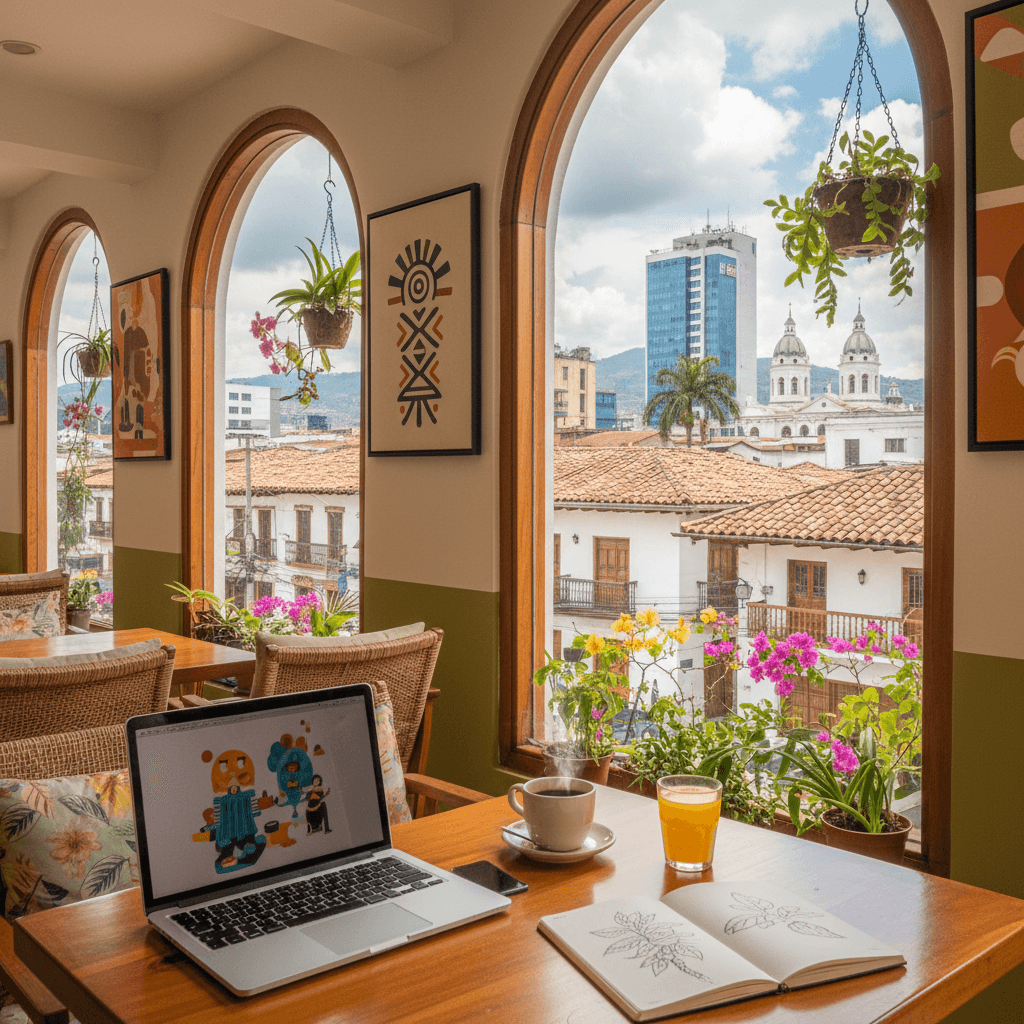
If Medellín is the flashy older brother and Bogotá is the frantic cousin, Bucaramanga is the chill, well adjusted sibling who actually has their life together. Known as "The Beautiful City," it doesn't try too hard to impress you with tourist traps. Instead, it wins you over with sheer livability. You’ll feel the difference the moment you step outside; it’s greener, cleaner, and noticeably calmer than the major hubs. With over 160 parks tucked into its urban layout, the city feels like it’s breathing alongside you.
The energy here is driven by a massive university population, giving the streets a youthful, intellectual edge without the chaotic nightlife of a party town. It’s a place where you can blend in. You aren't just another tourist in a sea of gringos; you’re a neighbor. While the nomad community is still small, that’s exactly the draw for people who want a real Colombian immersion. You’ll need to brush up on your Spanish, as English isn't widely spoken, but the locals are famously polite and patient with learners.
The Real World Cost
Your dollar goes significantly further here than in the coffee axis or the coast. Most digital nomads find they can live a high quality life for $1,200 to $1,800 USD per month, though budget conscious solo travelers can easily get by on $900 if they’re savvy. It’s the kind of place where you can enjoy an upscale lifestyle without the constant "tourist tax" found elsewhere.
- Housing: A modern one bedroom in a prime area like Cañaveral typically runs between $500 and $800. If you’re looking for luxury high rises with pools, expect to pay $800+.
- Dining out: You can grab a local "corrientazo" lunch for $3 to $5, while a high end dinner in the chic parts of town will rarely cross the $20 mark.
- Transport: Uber and DiDi are the go to apps here. Most rides across the city cost between $2 and $5.
Where to Plant Your Flag
Choosing a neighborhood in Bucaramanga is less about avoiding "bad" areas and more about choosing your preferred pace of life. The city is exceptionally walkable, especially in the eastern sectors.
Cañaveral
- The Draw: This is the modern heartbeat of the city. It’s packed with shopping malls like Cacique, high end gyms, and the most reliable infrastructure.
- Rent: $500 to $900 for modern builds.
- The Downside: It can feel a bit "suburban" and lacks some of the historical grit you might find in the center.
Cabecera and the East
- The Draw: This is where the leafy, park heavy reputation of the city really shines. It’s safe, upscale, and incredibly peaceful. It’s the top choice for expats looking for long term stability.
- Rent: $600 to $850 for established apartments.
- The Downside: Rental inventory moves fast, and you might find fewer short term Airbnbs than in Cañaveral.
The Digital Setup
Don't let the "second tier city" label fool you; the internet infrastructure is elite. Fiber optic connections over 100 Mbps are standard in most modern rentals. While you won't find a WeWork here yet, ColorWorking is the local favorite for a professional desk and community vibe, with day passes starting around $5 to $10.
If you prefer the "laptop and a latte" lifestyle, Café Bajo Sombra is a nomad staple. It’s one of those leafy park cafes where nobody will give you a side eye for staying two hours on a single espresso. For your phone, grab a Claro SIM card. They have the best 5G coverage in the city and offer affordable data packages that make tethering a breeze if you ever hit a rare power flicker.
Safety and Daily Life
Bucaramanga consistently ranks as one of the safest cities in Colombia. You can actually walk the streets in the eastern neighborhoods at night without the high level of anxiety you might feel in parts of Bogotá. That said, petty theft exists. Use common sense: don't flash your latest iPhone on a busy street corner in the Centro Histórico, and stick to ride hailing apps after dark instead of hailing yellow cabs on the street. It’s a city that rewards those who live like locals, respect the pace, and enjoy the mountain air.
The Price of the Quiet Life
Bucaramanga is one of the best kept secrets in Colombia for anyone looking to stretch their budget without sacrificing safety or infrastructure. While Medellín and Bogotá prices have climbed steadily, this city remains remarkably affordable. Most expats find they can live a high quality life here for anywhere between $900 and $1,300 USD per month. If you're coming from North America or Europe, your purchasing power here is significant, especially when it comes to services and dining out.
The city doesn't have the "gringo tax" you'll find in more touristy hubs. You're paying local prices for almost everything. A single person living a modest lifestyle can get by on $800, while those looking for luxury high-rises and nightly upscale dinners will likely spend closer to $1,800 or more.
Housing and Neighborhoods
Rent will be your biggest variable, and the neighborhood you choose defines your overhead. Cañaveral is the go-to for most nomads because it feels modern and safe, with easy access to shopping at Cacique Mall. If you prefer something more walkable and "European" in feel, the East side near the historic center is popular.
- Budget Tier: Expect to pay $300 to $500 for shared housing or basic Airbnb studios, often in the city center or older parts of Cañaveral.
- Mid-Range: $500 to $800 gets you a comfortable one-bedroom apartment in a modern building with security and potentially a gym.
- Comfortable: For $800 and up, you can secure premium apartments in the newest developments in Cañaveral, often featuring panoramic views of the valley.
Eating and Drinking
Food is where Bucaramanga really shines for the budget-conscious. You can grab street food for $2 to $4, or a "corrientazo" (a massive local lunch special) for about $5. If you're heading to a sit-down restaurant in Cabecera or Cañaveral, a mid-range meal usually lands between $8 and $12. Even at the city's most upscale dining spots, it's hard to spend more than $25 per person unless you're ordering expensive imported wine.
Groceries are equally affordable if you shop at local markets. If you prefer the convenience of big supermarkets like Éxito or Jumbo, expect prices to be slightly higher, but still well below what you'd pay in the US or UK.
Transport and Connectivity
The city is incredibly walkable, which helps keep costs down. When you do need to move faster, the local bus system is a steal at roughly $0.50 per ride. Most nomads skip the bus and stick to ride-hailing apps like Uber, DiDi, or InDrive for safety and convenience. A short cross-town trip usually costs between $2 and $4. Even a trip to the airport typically won't break $10.
For the remote work crowd, internet is reliable and cheap. Most modern apartments come with fiber optic connections reaching 100 Mbps or more. If you need a dedicated workspace, ColorWorking is the local favorite, offering day passes for $5 to $10 or monthly memberships around $100. It's a great alternative since the city doesn't have major chains like WeWork yet.
Other Monthly Essentials
- Mobile Data: A Claro SIM card is the standard recommendation for the best coverage. You can get a solid data plan for about $15 to $20 a month.
- Gyms: A membership at a decent local gym will run you about $30 to $50, though some public parks have basic outdoor equipment for free.
- Entertainment: Movie tickets are around $4, and a local beer at a park café like Café Bajo Sombra is usually under $2.
Overall, Bucaramanga offers a "middle class" lifestyle for a "backpacker" price tag. You'll need some basic Spanish to negotiate the best deals, but the financial payoff is more than worth the effort of learning the language.
For Nomads and Remote Workers: Cañaveral
If you're looking for the most seamless transition into life in Bucaramanga, Cañaveral is where you'll likely land. It's the city's modern heart, packed with high rise apartments, air conditioned malls like Cacique, and reliable infrastructure. Most nomads prefer this area because the internet is rock solid, often hitting 100 Mbps fiber speeds, which is a non-negotiable for video calls.
The vibe here is polished and convenient. You can spend your mornings working from ColorWorking, which is the go-to coworking spot in town for about $5 to $10 a day. While it lacks the "gritty" charm of older neighborhoods, the safety levels are some of the highest in the city. You'll find plenty of grocery stores and gym options within a ten minute walk of most Airbnbs.
- Studio Rent: Expect to pay $500 to $800 for a modern 1BR.
- Workability: High; excellent coffee shop culture and dedicated desk spaces.
- Convenience: Everything is reachable via Uber or DiDi for under $4.
For Solo Travelers and Culture Seekers: East / Centro Histórico
Those who want to feel the pulse of the "Real Colombia" usually head toward the East and the Historic Center. This area feels like a small Spanish city, defined by colonial architecture and the youthful energy of nearby universities. It's incredibly walkable, and you're never more than a few blocks from one of the city's 160 plus parks. Parque Santander is the local hub for people watching and grabbing a cheap coffee.
It's the best spot for practicing your Spanish since English isn't widely spoken here. You'll find quirky cafes like Café Bajo Sombra where you can linger over a laptop for hours. Just keep your wits about you at night; while the East is generally safe, the fringes of the center can get a bit sketchy after dark. Stick to the well lit main drags and you'll be fine.
- Rent: Budget friendly; shared rooms or older studios often go for $300 to $500.
- Food: Incredible street food scene with meals starting at $2.
- Vibe: Artistic, loud, and authentic.
For Expats and Long-Term Residents: Cabecera
Cabecera is arguably the most prestigious address in town. It's a leafy, upscale district that sits on the eastern edge of the city, offering a cooler breeze and a quieter atmosphere than the bustling center. Expats who plan to stay for six months or more often gravitate here because of the high quality of life and the proximity to the city's best dining and nightlife.
The streets are lined with trees and high end boutiques, making it perfect for those who enjoy a morning jog or a peaceful walk to a bakery. While there are fewer short term rentals compared to Cañaveral, the apartments here are often larger and better maintained. It's a place where you can truly settle in and feel like a local resident rather than a passing tourist.
- Rent: Comfortable apartments start around $800 and go up from there.
- Atmosphere: Peaceful, green, and professional.
- Safety: Considered one of the safest pockets in the entire department of Santander.
For Families: Southern Suburbs and Gated Communities
Bucaramanga is a fantastic city for families because of its safety and abundance of green space. Many expat families choose the southern outskirts or gated communities near the larger shopping centers. These areas offer more "house" for your money, often featuring pools, playgrounds, and 24 hour security.
Being close to the main transport veins makes it easy to escape for weekend day trips to San Gil for rafting or the colonial town of Barichara. The healthcare infrastructure in this part of the city is also top tier, with modern clinics and pharmacies readily available. You'll likely want to use ride hailing apps like InDrive to get around, as these neighborhoods are less walkable than the city center.
- Living Costs: A family of four can live very comfortably on a budget of $1,800 to $2,500.
- Activities: Easy access to Chicamocha Canyon and various outdoor adventure parks.
- Proximity: Close to major international schools and high end supermarkets.
Connectivity and Speed
Bucaramanga is a sleeper hit for remote work infrastructure. While it doesn't get the hype of Medellín, the fiber optic network here is remarkably stable and fast. You can easily find fixed connections exceeding 100 Mbps in most modern apartments in Cañaveral or Cabecera. Mobile data is equally reliable; 5G is active across the city, and a local Claro SIM is the gold standard for coverage if you're planning to tether while working from a park.
Most nomads find that a local SIM is much more cost-effective than international roaming. If you prefer the convenience of an eSIM, expect to pay around $20 for a 5GB regional plan, but stopping by a Claro shop will give you much better rates for long-term stays. Public Wi-Fi is common in major shopping hubs like Cacique Mall, though it's best kept for light browsing rather than heavy video calls.
Coworking Spaces
The coworking scene here is intimate rather than corporate. You won't find a WeWork in the city, which many expats actually prefer because it keeps the community tight-knit and local. The undisputed heavyweight in town is ColorWorking. It's the primary hub for the digital nomad community and offers a professional environment without the pretension of larger chains.
- ColorWorking: Expect to pay between $5 and $10 for a day pass. Monthly memberships usually hover around $100 to $200 depending on your desk requirements.
- Atmosphere: It's a 8/10 for suitability. The chairs are ergonomic, the coffee is decent, and the backup power is reliable during the occasional tropical storm.
- Community: Since the nomad population is smaller here, you'll likely meet the same group of regulars, making it easier to network than in the oversaturated hubs.
Work-Friendly Cafés
If you prefer a change of scenery, the city's "Beautiful City" nickname comes to life in its leafy café culture. Café Bajo Sombra is a favorite for those who want to work surrounded by greenery. It's common to see people with laptops here, though it's polite to move on after a few hours if it gets crowded. The vibe is relaxed, and the staff generally don't mind remote workers as long as the coffee keeps flowing.
For a more modern, air-conditioned environment, the food courts and coffee shops in the Cañaveral district are solid backups. While they lack the charm of a boutique café, they offer consistent power outlets and high-speed Wi-Fi that can handle a heavy workload. Most nomads find that the combination of a $100 monthly coworking membership and a few afternoon sessions at local cafés provides the perfect balance of productivity and local immersion.
Practical Considerations
Power outages are rare in the upscale eastern neighborhoods, but it's always smart to have your mobile hotspot ready just in case. Since English isn't widely spoken even in tech-adjacent spaces, having Google Translate downloaded for offline use is a lifesaver when asking for Wi-Fi passwords or troubleshooting a connection with a local provider. If you're staying in a rental, always ask for a screenshot of a speed test before booking; most hosts in Cabecera and Cañaveral are happy to oblige and understand that 100+ Mbps is a non-negotiable for the nomad lifestyle.
A Peaceful Oasis in the Northern Andes
Bucaramanga has a reputation for being one of the safest cities in Colombia, and it generally lives up to the hype. While major hubs like Medellín or Bogotá can feel high energy and occasionally high stress, this city maintains a relaxed, small town feel despite its growing infrastructure. It currently holds a safety rating of 7 out of 10 among the nomad community, making it a top choice for those who want to experience Colombian culture without the constant "no dar papaya" anxiety found elsewhere.
Most expats and remote workers gravitate toward the east side of the city. Neighborhoods like Cabecera and Cañaveral are the gold standard for security. You'll find these areas are highly walkable, even after the sun goes down, with well lit streets and a heavy presence of private security and local police. If you're staying in the Centro Histórico, the vibe is youthful and artistic during the day, but it's smarter to take an Uber or DiDi after dark rather than wandering the central fringes alone.
Street Smarts and Local Norms
Even though the city is peaceful, petty theft like pickpocketing can happen in crowded spots like Parque Santander or busy markets. Most nomads recommend keeping your phone in your pocket rather than walking around with it in your hand while navigating. If you need to check your location, step into a café like Café Bajo Sombra or a shop to do it.
- Solo Travelers: Stick to the eastern districts and well known parks like Parque de los Niños during daylight hours.
- Transport Safety: While buses are reliable at $0.50 to $1, most expats prefer using Uber, DiDi, or InDrive for door to door service at night. Rides are incredibly affordable, usually costing between $2 and $6.
- Emergency Contacts: Dial 123 for any police, fire, or medical emergencies. It's the national equivalent of 911.
Healthcare Standards
The healthcare system here is surprisingly robust for a second tier city. Bucaramanga is a regional hub for medical services, meaning you'll have access to modern hospitals and specialized clinics that rival those in the capital. The city's infrastructure is excellent, and you won't struggle to find a well stocked pharmacy on almost every major corner in Cañaveral.
For minor issues, pharmacies (droguerías) are the first line of defense. Pharmacists in Colombia can often provide consultations and over the counter treatments for basic ailments. If you need a hospital, the facilities are clean, efficient, and significantly cheaper than North American or European equivalents. Most digital nomads find that paying out of pocket for a standard doctor's visit is very manageable, though having a solid international insurance policy is still the standard recommendation.
Practical Health Tips
The mountain air and mild temperatures between 20°C and 27°C keep the climate comfortable, but there are a few things to keep in mind for your daily routine:
- Tap Water: While many locals drink the tap water in Bucaramanga, most expats stick to filtered or bottled water to avoid any stomach upsets, especially during shorter stays.
- Sun Protection: Don't let the "Eternal Spring" clouds fool you. The altitude means the UV rays are strong. If you're spending the day at Chicamocha Canyon, sunscreen is mandatory.
- Language Barrier: English proficiency is quite low in the medical sector here. If your Spanish is shaky, keep Google Translate handy or bring a local friend to help translate specific symptoms at the clinic.
Overall, the lack of massive tourist crowds means you aren't a constant target for scams. If you use basic common sense and stay in the recommended eastern neighborhoods, you'll find Bucaramanga to be a refreshing, secure home base for your remote work stint.
Street-Level Strategy: Walking and Rideshares
Bucaramanga is a rare find in Colombia because it is actually pleasant to walk. If you are staying in the east or the Centro Histórico, you can reach most of your daily needs on foot. The city is famous for its 160 plus parks, which act as natural landmarks and cooling stations. Most nomads find that staying in Cabecera or Cañaveral allows them to ditch the commute entirely for gym runs or grocery trips.
When the tropical sun gets too intense or you are heading across town, rideshare apps are the gold standard. Uber, DiDi, and InDrive are all active and widely used by the expat community. A short hop across the neighborhood usually costs between $2 and $4. If you are heading from the modern high rises of Cañaveral to the older, leafy streets of the center, expect to pay closer to $6. It is safer and more transparent than hailing yellow taxis on the street, especially at night.
Public Transit and the Bus System
The city's bus network is extensive and incredibly cheap, with fares typically ranging from $0.50 to $1. While the routes can be a bit of a maze for newcomers, they are the most authentic way to see the city like a local. Buses are the primary way to reach the outskirts or specific university districts. Just keep a close eye on your belongings during peak hours, as crowded buses are the main spot for petty theft.
Most nomads prefer walking the park circuits over cycling due to the hilly terrain in certain sectors.
Airport Transfers and Regional Travel
Palonegro International Airport (BGA) sits on a ridge overlooking the city. It is a quick 1 hour flight to major hubs like Bogotá or Medellín if you need a weekend change of pace. Getting from the terminal to your Airbnb is straightforward. A DiDi or Uber transfer usually runs between $5 and $10, depending on traffic and your final destination.
For regional adventures, the local bus terminal is your gateway to Santander’s best spots. You can grab frequent, affordable buses to several iconic nearby towns:
- Barichara: Often called the most beautiful colonial town in the country, it is a few hours away by bus.
- San Gil: The adventure capital for rafting and paragliding.
- Chicamocha Canyon: Home to the second largest canyon in the world, accessible via a scenic drive.
Practical Transit Tips
Navigating the city requires a bit of local knowledge to keep things smooth. Here is what most long term residents recommend:
- Download the Apps: Have Uber and DiDi installed before you leave the airport. Google Maps works well for bus routes, but local advice is often more accurate for timing.
- Safety First: While the city is one of Colombia's safest, avoid walking through the central fringes alone after dark. Stick to well lit areas in the east.
- Small Change: If you use the public buses, keep small denominations of pesos ready. Drivers rarely have change for large bills.
- Connectivity: Ensure your Claro SIM is topped up. You will need data for calling rideshares since public WiFi isn't always reliable on the move.
The Reality of the Language Gap
If you're coming from the nomad bubbles of Medellín or Cartagena, Bucaramanga will be a wake-up call. English proficiency here is remarkably low, even among the younger university crowd. While the city has a sophisticated, modern feel, the language barrier is real. You won't find menus in English at most local spots, and your Uber driver or the cashier at the Exito supermarket likely won't speak a word of it.
Most expats see this as a massive advantage rather than a hurdle. It's one of the few urban centers in Colombia where you’re forced into total immersion. Without the safety net of a massive international community, your Spanish will improve faster here in a month than it would in six months elsewhere. People in Santander are generally patient and helpful, but they expect you to make the effort.
Survival Spanish and Local Nuances
You'll need a solid grasp of the basics before you land. If you're a total beginner, download your Google Translate offline packs immediately. Locals are known for being direct and "frentero" (straightforward), which sometimes comes across as brusque to outsiders, but it's just the regional style.
Expect to hear a lot of "usted" even among friends, which is common in this part of Colombia. While the coastal "Costeño" accent can be a blur of dropped consonants, the "Bucaro" accent is relatively clear and easy to follow once you get used to the cadence. It’s a fantastic place to study because the slang isn't as overwhelming as the "Paisa" dialect found in Antioquia.
Common Phrases You'll Hear:
- ¿Qué más?: The standard "How's it going?" used everywhere.
- A la orden: You'll hear this from every shopkeeper and street vendor. It means "at your service."
- Con gusto: The local way of saying "you're welcome."
- Regálame: Literally "gift me," but used constantly to mean "give me" or "can I have." For example, "Regálame un tinto" when ordering a black coffee.
Digital Tools and Communication
WhatsApp is the lifeblood of Bucaramanga. From booking a haircut to asking a landlord about an apartment in Cañaveral, everything happens over the app. Don't bother calling businesses or expecting them to check their email. If you want a quick response, send a voice note or a message.
For navigating the city and communicating with locals, nomads recommend a few specific setups:
- Claro SIM Cards: These offer the best 5G coverage and reliable data for using translation apps on the fly.
- DeepL: Many expats prefer this over Google Translate for more natural-sounding Spanish translations when messaging landlords.
- SpanishDict: Great for looking up regional variations of words that standard translators might miss.
Social Integration
Since the nomad community is small, you won't find many "Language Exchange" nights at bars. Instead, look for opportunities at the local universities or hang out at ColorWorking. The people there are usually happy to practice their English with you, but they'll likely appreciate it more if you let them help you with your Spanish first. It’s a reciprocal culture, and showing you’re trying to learn goes a long way in building rapport with the locals.
The Eternal Spring Alternative
Bucaramanga is often called the City of Parks, but for those who live here, it's the climate that really seals the deal. While Medellín usually gets the credit for perfect weather, Bucaramanga offers a remarkably similar experience with even more consistency. You'll find daily temperatures hovering between 20°C and 27°C (68°F to 81°F), creating an environment where you rarely need air conditioning or a heavy jacket. It's that sweet spot where you can wear a t-shirt during the day and perhaps a light hoodie if you're out late at a park café like Café Bajo Sombra.
The city sits in a plateau within a mountain valley, which helps regulate the heat. Unlike the coastal heat of Cartagena or the chilly mountain air of Bogotá, the air here feels fresh and mild. Most nomads find the humidity levels comfortable, making it one of the most walkable cities in Colombia. You can spend the entire day exploring the 160 plus parks without feeling drained by the sun.
When to Visit
Because the temperature variation is so minimal, there isn't really a bad time to book your stay. However, there are a few nuances to the seasons that might influence your planning:
- The Dry Window (December to March): This is generally considered the peak time to visit. The skies are clear, the views of the surrounding Santander mountains are sharp, and it's the best time for day trips to the Chicamocha Canyon.
- The Transitional Months (June to August): You'll see a slight uptick in breeze during these months. It's a popular time for the local university crowd to be out in the plazas, giving the city a high energy vibe.
- The Greener Months (April, May, October, and November): While there isn't a dramatic "monsoon" season, these months see more frequent afternoon showers. They usually pass quickly, leaving the city parks looking incredibly lush and vibrant.
Seasonal Living Costs
Since Bucaramanga isn't a massive tourist magnet like other Colombian hubs, you won't see the same aggressive seasonal price hikes found elsewhere. Your cost of living stays relatively flat throughout the year. Here is what you can expect for a comfortable monthly budget regardless of the month you arrive:
- Modern 1BR Apartment in Cañaveral: $500 to $800
- Mid-range Dining: $8 to $12 per meal
- Coworking at ColorWorking: $100 to $200 per month
- Local Transport (Uber/DiDi): $2 to $6 per ride
Planning Around Local Events
If you want to see the city at its most spirited, try to be here in September for the Feria de Bucaramanga. The city comes alive with parades, concerts, and artisanal markets. It's a fantastic time for Spanish immersion, as the local "Bucaros" are proud of their heritage and eager to share it with the few foreigners in town. Travelers often say this month provides the best insight into the local culture, though you should book your Airbnb a bit further in advance if you're targeting the popular East side or the Cañaveral district.
For those into adventure sports, the consistent weather means the nearby town of San Gil and the Chicamocha Canyon are open for business year round. Whether you're paragliding or rafting, you don't have to worry about seasonal closures. Just keep an eye on the afternoon clouds during the October rainier period, as early morning starts are usually better for clear mountain views.
Connectivity and Tech Setup
Bucaramanga surprisingly punches above its weight when it comes to infrastructure. Most nomads find the internet here more reliable than in parts of Medellín. Fiber optic connections often exceed 100 Mbps, and 5G is already rolling out across the city. For your mobile setup, grab a Claro SIM card as soon as you land; they have the most consistent coverage in Santander. If you prefer the convenience of an eSIM, expect to pay around $20 for a 5GB regional plan.
While you won't find a WeWork here, the local scene is growing. ColorWorking is the primary hub for the remote crowd, offering day passes for about $5 to $10 and monthly memberships around $100. If you like a more relaxed environment, Café Bajo Sombra is a favorite for its leafy outdoor seating and solid WiFi. Many expats also set up shop in the food courts or common areas of Cacique Mall when they need a change of scenery.
Money and Budgeting
Your money goes significantly further here than in Colombia's major hubs. A single person can live a very comfortable lifestyle on $900 to $1,300 per month. Cash is still king for street food and small neighborhood shops, but you can use cards at supermarkets and upscale restaurants in Cañaveral. Just keep in mind that some ATMs have low withdrawal limits for international cards, so it's smart to have a backup fintech card like Revolut or Wise.
- Housing: A modern studio or one bedroom apartment in a safe area like Cañaveral typically runs between $500 and $800 on Airbnb.
- Dining: You can find a local "menú del día" for $4, while a high end dinner for two will rarely top $40.
- Transport: Short rides via Uber or DiDi usually cost between $2 and $5.
Navigation and Safety
The city is divided into distinct zones, and your experience will change based on where you hang out. The eastern side of the city and the Centro Histórico are remarkably walkable and feel like a small Spanish city. For a more modern, suburban feel with easy access to shopping and gyms, Cañaveral is the top choice for long term expats.
Safety is one of Bucaramanga's biggest selling points. It's widely considered one of the safest cities in the country. You can generally walk around the better neighborhoods at night without worry, though you should still use common sense in the busier parts of the center where pickpocketing can happen. If you're heading out late, just use a ride hailing app like InDrive or Uber rather than hailing a cab on the street.
Language and Integration
Be prepared for a language barrier. English proficiency is quite low here compared to Bogotá. This makes it an incredible place for total Spanish immersion, but it can be a hurdle for absolute beginners. Download Google Translate for offline use and don't be afraid to use hand gestures. The locals are generally patient and appreciate any effort to speak the language.
The nomad community is small but welcoming. You won't find massive weekly meetups here yet, so you'll need to be proactive. Hang out in the parks or at Parque Santander during the weekends to soak up the local vibe. For weekend escapes, the city is the perfect launchpad for San Gil if you want adventure sports, or Barichara if you're looking for colonial architecture and a slower pace of life.
Quick Logistics
- Power: Standard US style Type A and B plugs.
- Health: Excellent private clinics and pharmacies are available throughout the city; dial 123 for emergencies.
- Airport: Palonegro International (BGA) is a quick 1 hour flight from Bogotá; an Uber from the airport to the city center costs roughly $10.
Need visa and immigration info for Colombia?
🇨🇴 View Colombia Country GuideEasy Landing
Settle in, no stress